Children’s hospitals across the country face a growing challenge: ensuring access to highly specialized respiratory care amid a nationwide shortage of respiratory therapists.
At Norton Children’s in Louisville, Kentucky, leaders saw an opportunity to address the issue with a different approach.
After relying heavily on travel therapists, the team developed an innovative workforce strategy to create its own pipeline of future specialists. Through a combination of a respiratory apprentice program and a pediatric respiratory residency program, the organization is preparing the next generation to care for kids while strengthening the long-term stability of its respiratory care team.
The result is a sustainable model that supports professional development, expands pediatric expertise, and helps ensure children and families have access to highly skilled respiratory care when they need it most.
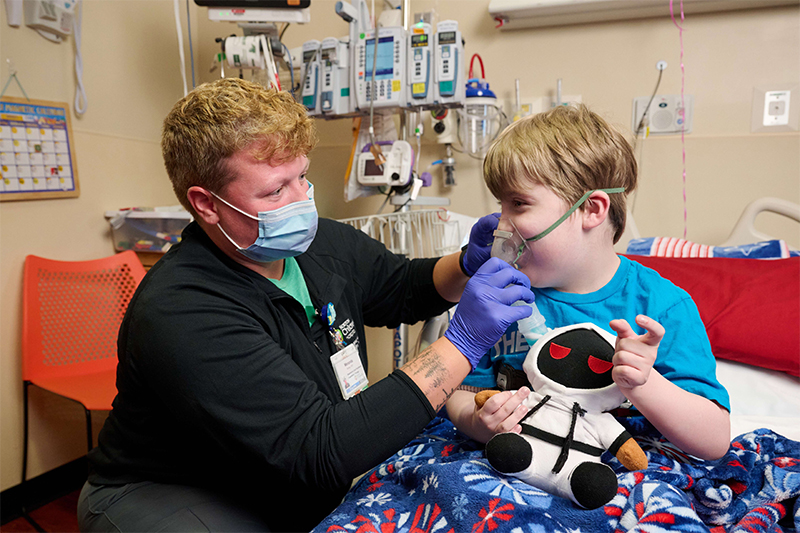
“We needed a long-term solution,” said Diane Scardino, the hospital’s chief administrative officer. “We saw an opportunity to invest in developing respiratory therapists who are passionate about pediatric care, connected to our mission, and committed to building their careers with us.”
Expanding the specialized pipeline
The respiratory apprentice program introduces students pursuing respiratory therapy degrees to pediatric care while they are still completing their education.
Participants gain valuable hands-on experience at Norton Children’s by participating in equipment maintenance, medical gas safety rounds, patient observation experiences, and quality improvement initiatives. The program offers insight into the specialized care of infants, children, and adolescents while exposing students to a variety of respiratory therapy career paths and practice areas that may not be available through traditional clinical training.
Since its launch, 28 students have completed the apprentice program, with five more expected to graduate in 2027. Of those 28, 19 have accepted post-graduation positions within the hospital.
The experience has attracted students from across the region, including some who had little or no prior exposure to pediatric respiratory care. Students can receive up to $45,000 in tuition assistance through the Norton Healthcare Scholars Program.
“Many students have limited opportunities to experience pediatric respiratory care during their training,” said Scott Pettinichi, MEd, RRT-NPS, AE-C, director of respiratory therapy at Norton Children’s. “By welcoming them into our clinical environment early, we’re able to introduce them to the unique aspects of caring for children while helping them see the impact they can make throughout their careers.”
Creating a new pathway into pediatric specialization
The apprentice program is designed to help students gradually build knowledge, confidence, and professional connections before entering the workforce.
Using a structured three-tier model, participants become familiar with equipment, workflows and interdisciplinary care teams while balancing academic responsibilities. Along the way, they develop relationships with mentors and colleagues who support their transition into professional practice.
For many participants, the experience creates a smoother pathway into pediatric health care. By the time they join the organization as licensed respiratory therapists, they already understand the hospital environment, care teams, and culture.
That familiarity helps reduce the learning curve often associated with entering a highly specialized pediatric setting.
Advancing pediatric expertise through residency training
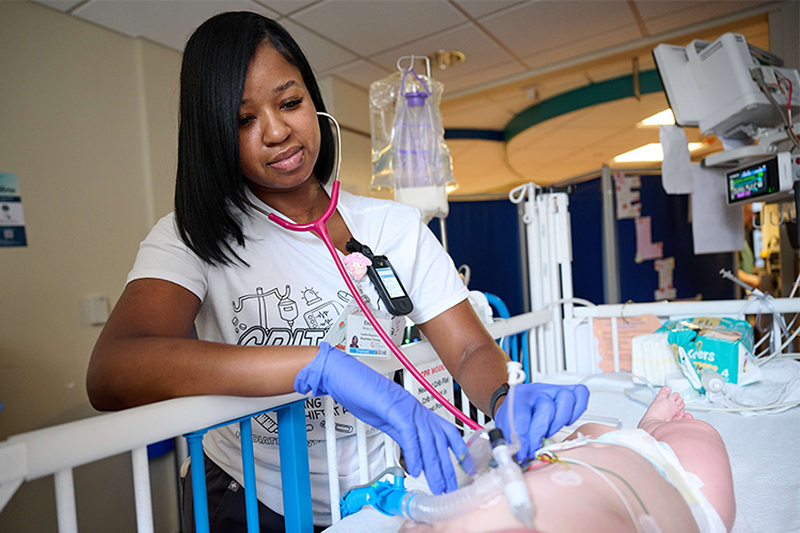
Launched in 2024, the 10-month program provides newly licensed respiratory therapists with advanced pediatric training through classroom education, simulation experiences, and clinical rotations. Residents gain experience caring for patients across a variety of clinical settings while strengthening their critical thinking, decision-making and technical skills.
High-fidelity simulation training allows participants to practice complex clinical scenarios in a safe environment before independently caring for patients.
“The residency program helps therapists build both competence and confidence,” said Sarah Grant, manager whose team oversees the respiratory programs. “Our goal is to prepare them to provide exceptional care in any pediatric setting while creating opportunities for long-term career growth within our organization.”
Improving access and continuity of care
While the apprentice and residency programs focus on workforce development, their impact extends far beyond addressing staffing shortages.
By creating a steady pipeline of pediatric-trained respiratory therapists, Norton Children’s is strengthening access to specialized care and creating greater continuity for patients and families. Therapists who build long-term careers within the organization develop strong working relationships with physicians, nurses, and other clinicians, enhancing collaboration across care teams.
“For children and families, consistency among caregivers can provide reassurance during stressful and uncertain times,” Pettinichi said. “When clinicians know one another and work together over time, it strengthens communication, teamwork and the overall patient experience.”
The success of the strategy is reflected in a significant milestone: Norton Children’s no longer relies on traveler respiratory therapists to support its respiratory care team.
In some cases, respiratory therapists who initially joined the organization in temporary roles have chosen to become permanent members of the team.
“This achievement represents far more than filling positions,” Scardino said. “It reflects our commitment to investing in people and creating a workforce dedicated to pediatric care. Every therapist we train strengthens our ability to provide exceptional care to the children and families who depend on us.”